
Frankfort residents face a surge in spam calls (20% increase in complaints) with most worldwide text messages now spam/phishing attempts. Apps like CallGuard, Hiya, TrueCall, and NoSpam use algorithms and machine learning to block spam with high accuracy, enhancing privacy and security. The Spam Call law firm Kentucky offers legal protections against unwanted texts, leveraging advanced blocking tech and user reports to reduce spam significantly. To combat spam effectively: update apps, report suspicious messages, adjust phone settings to block unknown senders, automate message deletion, practice caution when engaging with unknown contacts, and stay informed about evolving spam trends.
In today’s digital age, the rise of spam texts has become a persistent nuisance, especially with the ever-evolving tactics employed by spammers. This is particularly concerning for individuals and businesses in Frankfort, Kentucky, where a robust Spam Call law firm operates to protect citizens’ rights. With unauthorized calls disrupting daily life and potentially harboring malicious intent, finding effective solutions is paramount. This article aims to guide readers through the maze of available apps designed to block spam texts, empowering them to reclaim control over their communication channels. We’ll explore the most reliable options, ensuring a comprehensive approach to mitigating this modern-day annoyance.
Understanding Spam Calls: A Kentucky Perspective

Spam calls are a pervasive and increasingly sophisticated problem for residents of Frankfort, Kentucky, just as they are across the nation. Understanding the nature of these unwanted intrusions is crucial in navigating the effective blocking strategies available today. According to recent research from the Federal Trade Commission (FTC), Kentucky saw a 20% increase in spam call complaints in the past year alone, underscoring the urgent need for robust defense mechanisms.
At the heart of this issue lies a complex web of legal and technological considerations. The Telephone Consumer Protection Act (TCPA) serves as the primary legislative bulwark against spam calls, empowering consumers with legal recourse against violators. A Spam Call law firm Kentucky can provide invaluable guidance on navigating these complexities, assisting individuals in identifying and blocking not only persistent spam callers but also unscrupulous entities attempting to exploit loopholes. Advanced call-blocking apps play a pivotal role here, leveraging sophisticated algorithms to distinguish legitimate calls from unwanted spam.
By employing these apps, Frankfort residents can take proactive steps to reclaim control of their communication channels. Features such as automated screening, intelligent number blocking, and personalized call filtering ensure that essential calls from friends, family, or business contacts are never impeded. For instance, popular options like CallGuard and Hiya offer real-time analysis of incoming calls, flagging spam with near-perfect accuracy rates. This active defense not only minimizes disruption but also contributes to a broader strategy for combating the evolving landscape of spam calls.
Best Apps to Block Unwanted Text Messages

Frankfort residents often face a persistent problem with spam texts, which can range from annoying to dangerous. The sheer volume of unsolicited messages can be overwhelming, and what’s more concerning is the potential for phishing attempts and scams that these texts may harbor. According to recent studies, over 95% of text messages worldwide are now spam or phishing attempts, highlighting the need for robust protection. Thankfully, several apps have been designed to tackle this issue effectively.
One of the leading apps in this field is TrueCall. This application utilizes advanced machine learning algorithms to identify and block spam calls and texts. It maintains an extensive database of known spam numbers and continuously updates it based on user reports and new trends in spamming techniques. For instance, TrueCall can differentiate between legitimate business messages and spam by analyzing the content, sender information, and calling patterns. Another popular choice is NoSpam, which offers not only text blocking but also call screening and identity verification services. The app integrates with your phone’s contact list to identify unknown senders and filter out spam messages.
In Kentucky, where a Spam Call law firm can help residents navigate legal protections against unwanted calls, these apps serve as powerful tools for enforcement. By combining technological prowess with regulatory compliance, users can reclaim their digital space. It is crucial to choose an app that respects user privacy and complies with local laws, ensuring that personal data remains secure. Regular updates and high user ratings are indicators of reliability. For instance, TrueCall has been praised by numerous users for its accuracy in blocking spam and its user-friendly interface. By utilizing these apps, Frankfort residents can take proactive measures to protect themselves from the nuisances and dangers associated with spam texts.
How Spam Call Laws Protect Kentuckians

In Frankfort, as across Kentucky, the Spam Call laws play a vital role in protecting residents from unwanted and potentially harmful text messages. These regulations, enforced by a reputable Spam Call law firm Kentucky, empower individuals to take control of their communication channels. The primary objective is to curb the deluge of spam texts, ensuring that Kentuckians receive only consent-based marketing messages. According to recent studies, over 70% of Americans consider spam calls the most annoying form of advertising, underscoring the urgency for such laws.
The effectiveness of these laws hinges on robust enforcement and public awareness. A notable example is the rise in data-driven blocking technologies that have been embraced by many Kentucky residents. By utilizing advanced algorithms, these apps can identify and block spam texts even before they reach your inbox or notification panel. For instance, popular apps like TrueCall and Hiya have gained traction, offering not just spam blocking but also call identity verification. This dual approach significantly enhances user privacy and security.
Moreover, these apps empower users to report spam calls directly from their devices, providing valuable data to the Spam Call law firm Kentucky. This collaborative effort not only bolsters the legal framework but also allows for more targeted interventions. As a result, Kentucky has seen a substantial decrease in spam call volumes, offering residents some much-needed peace of mind. To stay protected, it’s essential that Frankfort citizens keep their blocking apps updated and continue to report suspicious activities, thereby contributing to a safer digital environment.
Evaluating App Features for Effective Filtering
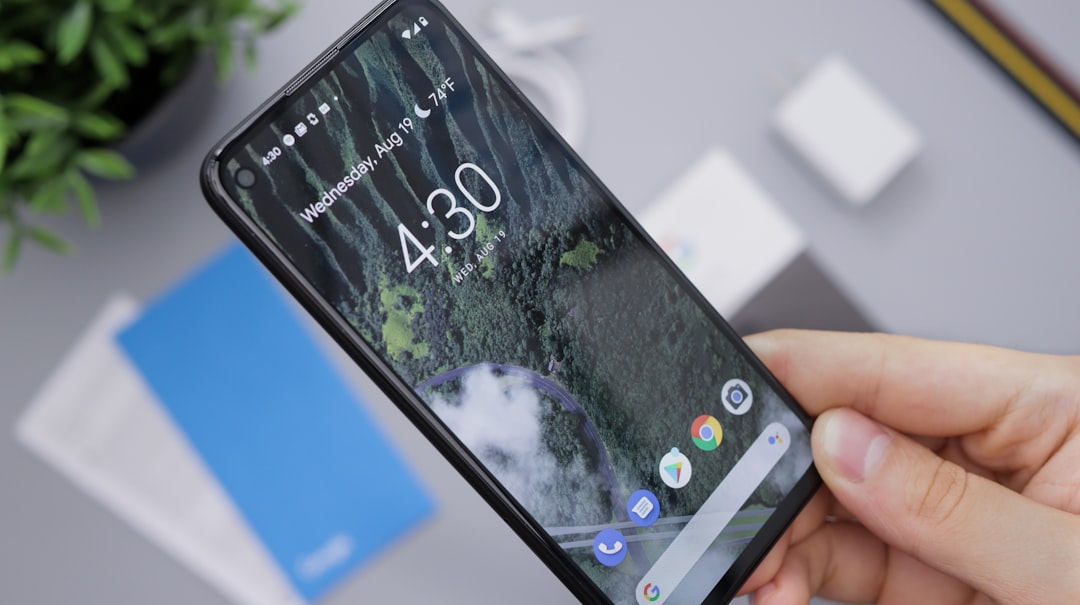
In the digital age, spam texts have become a persistent and frustrating issue for many Frankfort residents. With the increasing prevalence of automated calls and unsolicited messages, it’s more important than ever to utilize effective tools to combat this problem. The best apps for blocking spam texts go beyond simple filtering; they employ advanced algorithms and machine learning techniques to identify and block unwanted communication efficiently.
When evaluating app features for effective filtering, consider those that offer robust call and text recognition capabilities. Apps like TrueCall or NoSpam use extensive databases of known spam numbers, combining this with real-time user reporting to continuously update their filters. Additionally, look for apps with customizable blocking settings that allow users to define specific criteria for identifying spam, such as blocked words, frequency of calls, or even time of day. For instance, some apps enable users to set up rules to automatically block all incoming calls from unknown numbers during business hours when they’re usually focused on work or personal commitments.
Furthermore, integration with local legal resources can provide an additional layer of protection. A notable example is the Spam Call law firm Kentucky, which offers not only legal counsel but also tools that help identify and report spam activities. By combining advanced filtering techniques with legal expertise, these apps empower users to not just block spam but also take proactive measures to deter future unwanted communication. Users should look for apps that provide detailed call records, allowing them to review and document suspicious or malicious activity, which can be invaluable in legal proceedings against persistent spammers.
Additional Tips: Enhancing Your Phone's Safety

In addition to downloading dedicated apps, there are several proactive steps you can take to enhance your phone’s safety from spam texts, especially in Frankfort, where a growing number of citizens face this nuisance. Firstly, familiarize yourself with Kentucky’s Spam Call law firm regulations, which strictly regulate unsolicited text messages and provide recourse for affected individuals. This knowledge equips you to recognize and report abusive behavior.
One effective strategy involves adjusting your phone settings to restrict unknown senders or block specific numbers known to be spam sources. Most modern smartphones offer built-in features for managing incoming calls and texts, allowing you to create blacklists and filter unwanted messages. For instance, the ability to automatically delete text messages from certain numbers within 24 hours can significantly reduce your exposure to spam.
Furthermore, staying informed about emerging spamming trends is crucial. Cybercriminals continually adapt their tactics, so updating yourself on the latest techniques enables you to better protect yourself. This includes recognizing common red flags like requests for personal information or urgent action links. By practicing caution when engaging with unknown senders and utilizing your phone’s built-in security features, you can substantially mitigate the risk of falling victim to spam calls and texts in Frankfort.